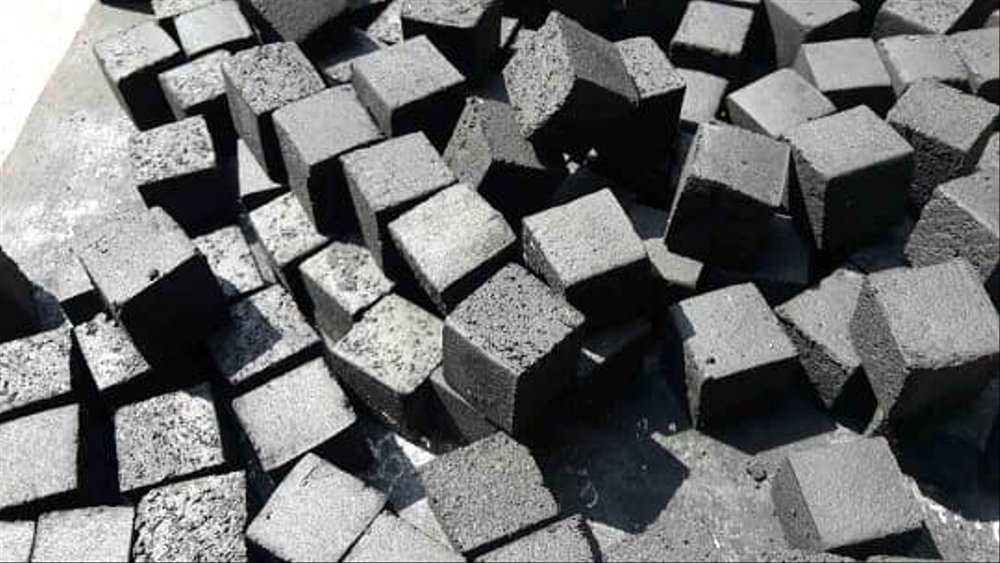
Coconut shells, often discarded as waste, are proving to be a remarkably versatile and valuable resource across various industries. Their hard, fibrous nature makes them suitable for numerous applications, driving innovation and sustainability.
One of the primary uses of coconut shells is in the production of activated carbon. Activated carbon is a highly porous material with a large surface area, making it an excellent adsorbent for removing impurities and toxins. It is widely used in water purification, air filtration, and even in the pharmaceutical and food industries. Coconut shell-based activated carbon is particularly prized for its effectiveness and renewable nature, providing a sustainable alternative to coal-based activated carbon.
In the realm of handicrafts, coconut shells are transformed into a variety of beautiful and functional items. Artisans create bowls, cups, buttons, jewelry, and decorative pieces from the shells, showcasing intricate designs and craftsmanship. These products are eco-friendly and biodegradable, appealing to environmentally conscious consumers. Additionally, the use of coconut shells in handicrafts supports local economies and preserves traditional skills in many coconut-growing regions.
The agricultural sector also benefits from the use of coconut shells. They can be processed into coconut shell powder, which is used as a natural fertilizer and soil conditioner. The high lignin content of coconut shells helps improve soil structure, water retention, and nutrient availability, promoting healthier plant growth. Furthermore, coconut shell powder can be used as an organic additive in animal feed, enhancing its nutritional value.
In the energy sector, coconut shells are utilized as a biomass fuel. When burned, they produce a significant amount of heat and can be used in various heating and cooking applications. This renewable energy source reduces reliance on fossil fuels and contributes to lower carbon emissions. Additionally, the process of converting coconut shells into energy helps manage agricultural waste, turning a disposal problem into a valuable resource.
The cosmetics industry has also tapped into the potential of coconut shells. Ground coconut shells are used as an exfoliant in skincare products, offering a natural and gentle way to remove dead skin cells. This sustainable ingredient is an alternative to synthetic exfoliants, which can be harmful to the environment.
In conclusion, coconut shells are far more than just waste material; they are a versatile resource with applications across numerous industries. From activated carbon and handicrafts to agriculture, energy, and cosmetics, the innovative use of coconut shells promotes sustainability and adds value to what was once considered a byproduct. As awareness of their potential grows, the utilization of coconut shells is likely to increase, supporting both economic development and environmental conservation.