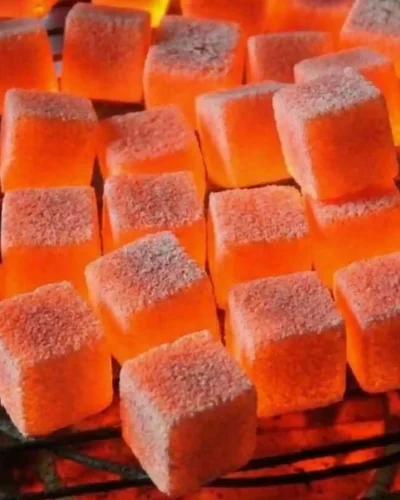
As a supplier at Jacoid.com, one of the most frequently asked questions I receive from international buyers is: what is the formula for making coconut shell charcoal? Producing high-quality charcoal that meets export standards requires more than simply burning coconut shells; it demands precision, experience, and a clear understanding of the coconut shell charcoal briquette production process. At Jacoid.com, we combine scientific methods with professional manufacturing to ensure that every batch delivers consistent heat, low ash, and long-lasting burn performance.
Step 1: Selecting the Best Coconut Shells
The foundation of premium charcoal begins with the quality of the raw materials. Mature coconut shells are ideal due to their density and high carbon content. At Jacoid.com, we carefully select shells that are free from mold, dirt, or other impurities.
Choosing the right shells affects the final fixed carbon content, calorific value, and burn duration of the charcoal. This step is crucial, as low-quality shells can produce inferior charcoal that generates excessive ash or inconsistent heat.
Carbonization: The Core of Coconut Shell Charcoal Briquette Production
Carbonization is at the heart of the coconut shell charcoal briquette production process. This stage involves heating coconut shells in a low-oxygen environment, allowing them to transform into charcoal without burning into ash.
The formula for successful carbonization requires careful control of:
- Temperature: Typically between 400°C and 600°C to achieve high fixed carbon content.
- Time: Sufficient heating ensures complete carbonization without producing excessive volatile compounds.
- Airflow: Controlled oxygen prevents combustion and reduces smoke formation.
Proper carbonization ensures the charcoal becomes dense, durable, and capable of long burn times qualities expected by international buyers.
Step 3: Grinding and Mixing with Natural Binder
After carbonization, the charcoal is cooled and ground into a fine powder. Uniform particle size is essential for producing briquettes with consistent density and durability.
Next, the charcoal powder is mixed with a natural binder, typically food-grade tapioca starch. The charcoal-to-binder ratio is carefully calibrated to maintain strong cohesion without affecting burn quality. This stage is a key component of the coconut shell charcoal briquette production process, determining the final product’s strength, shape retention, and ash content.
Step 4: Briquette Formation and Pressing
The mixture is then compressed into briquettes using high-pressure hydraulic machines. Uniform shapes, such as cubes or hexagons, improve stacking, packaging, and burning performance.
High compression increases density, which enhances:
- Burn duration
- Heat stability
- Resistance to damage during shipping
This step is crucial to meet the quality expectations of professional BBQ restaurants, shisha lounges, and commercial clients worldwide.
Step 5: Drying and Quality Assurance
After being pressed, the briquettes are dried in industrial ovens to reduce moisture content to below 8%. Proper drying prevents cracking, ensures easy ignition, and enhances durability during transportation.
Before export, we conduct strict quality control inspections, including:
- Burn duration tests
- Ash content measurement
- Drop resistance tests
- Moisture verification
Only briquettes that meet these standards are shipped to our clients, reflecting the high quality and reliability that are the hallmarks of Jacoid.com.
Conclusion
The formula for making coconut shell charcoal is not just a simple recipe; it is a combination of the right raw materials, controlled carbonization, precise mixing, and a professional briquette production process. At Jacoid.com, we leverage this expertise to deliver premium briquettes that are sustainable, efficient, and suitable for the global market.
As a supplier, I take pride in providing not just a product, but a reliable and environmentally friendly energy solution that supports both our clients and the planet.

saya seorang penulis