
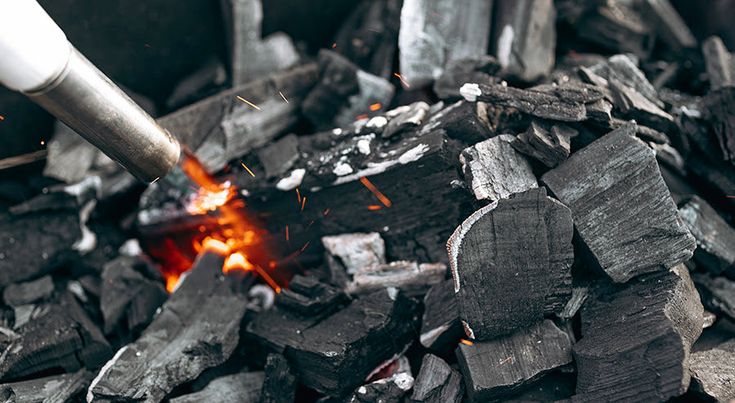
Coconut charcoal briquettes for grilling have become a popular choice because they produce stable heat without excessive smoke. This product is made from coconut shells processed through a carbonization method, resulting in an efficient, natural, and environmentally friendly fuel. Compared to regular wood charcoal, these briquettes are cleaner and more comfortable to use.
In addition to being practical, coconut charcoal for grilling also offer added value from environmental and economic perspectives. Utilizing coconut waste as briquettes helps reduce organic waste while providing a high-quality fuel solution for various grilling needs.
Understanding Coconut Charcoal Briquettes
Coconut charcoal for grilling are natural fuel products made from mature coconut shells through a controlled carbonization process. This process converts coconut shells into high-carbon charcoal, which is then compressed into briquette form to make it more practical and efficient during use.
In general, coconut charcoal is known for several superior characteristics, including:
-
High carbon content for maximum heat output
-
Cleaner combustion with minimal smoke
-
Does not alter the natural taste of food
With these characteristics, coconut charcoal briquettes for grilling are an ideal choice for barbecues, satay, grilled seafood, and even professional restaurant grilling.
Coconut Charcoal for Grilling with Minimal Smoke
One of the main reasons people switch to coconut charcoal for grilling is their minimal smoke production. This makes the grilling process more comfortable, especially in limited or enclosed spaces.
Key benefits of low smoke include:
-
Does not irritate the respiratory system
-
Does not cause eye irritation
-
Keeps the surrounding area clean
These conditions also help food cook more evenly without an excessive burnt smell.
Longer Burning Time for Grilling
Burning durability is a major advantage of coconut charcoal. Once ignited, these briquettes last significantly longer than conventional charcoal, making them more economical.
Benefits of long burn time include:
-
Reduced need for frequent refueling
-
Lower operational costs
-
Suitable for large-scale grilling
This is why many culinary businesses prefer using coconut charcoal briquettes.
Heat Stability for Cooking Processes
For culinary businesses, consistent heat is essential. Coconut charcoal briquettes for grilling are capable of maintaining stable temperatures throughout the cooking process.
Positive impacts for businesses include:
-
Better control of cooking time
-
More consistent food quality
-
Increased customer satisfaction
Using this fuel also supports a more eco-friendly business image.
Quality of Coconut Charcoal Briquettes for Grilling
High-quality briquettes have a dense texture and do not crumble easily. Good coconut charcoal briquettes for grilling are usually made from selected coconut shells and processed under optimal conditions.
Characteristics of quality briquettes include:
-
Low ash residue after burning
-
Not easily broken during use
-
Stable heat until fully consumed
In the international market, this product is known as coconut shell charcoal briquettes and has high demand.
Economic Value of Coconut Charcoal Briquettes
Beyond technical benefits, coconut charcoal for grilling also provide significant economic value. Inexpensive coconut shell waste can be transformed into high-value products.
Economic benefits include:
-
Creating new business opportunities
-
Supporting local product exports
-
Empowering local communities
Some producers even market their products through platforms like jacoid.com to reach a wider market.
Choosing Coconut Charcoal Briquettes for Better Grilling
Coconut charcoal for grilling are an efficient, environmentally friendly, and high-quality natural fuel solution. With stable heat, minimal smoke, and long burning time, these briquettes are ideal for both household grilling and culinary businesses.
In addition to providing comfort during cooking, using coconut charcoal briquettes for grilling also helps reduce organic waste and increase economic value. With all these advantages, it is no surprise that this product is increasingly favored as a smarter and more sustainable modern charcoal alternative.
