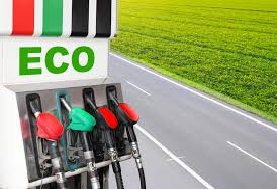
Sustainable fuel production refers to the process of producing energy from renewable and environmentally friendly sources that have a low impact on the environment. The production of sustainable fuel is essential for reducing greenhouse gas emissions, improving air quality, and promoting sustainable development. Here are some examples of sustainable fuel production:
- Biofuels: Biofuels are made from organic matter such as crops, agricultural waste, or forest residues. They can be used as a substitute for traditional fossil fuels in vehicles, machinery, and power generation. Biofuels have the potential to reduce greenhouse gas emissions and provide a renewable source of energy.
- Biomass energy: Biomass is another source of sustainable fuel that involves the conversion of organic matter, such as wood chips, crop residues, and municipal waste, into heat and electricity. Biomass energy production can reduce the amount of waste that ends up in landfills, promote sustainable forestry practices, and provide an alternative source of energy.
- Solar energy: Solar energy is a renewable source of energy that is harnessed by capturing the sun’s rays using solar panels. It is a clean and abundant source of energy that can be used for heating, cooling, and electricity generation.
- Wind energy: Wind energy is another sustainable source of energy that involves harnessing the power of the wind to generate electricity. It is a clean and renewable source of energy that has a minimal impact on the environment.
- Hydroelectric energy: Hydroelectric energy involves the generation of electricity from the movement of water. It is a clean, sustainable energy source that has been utilized for ages.
The production of this product has many benefits, including reduced greenhouse gas emissions, improved air quality, and reduced reliance on finite fossil fuels. As the world continues to move towards sustainable development, sustainable fuel production will play an increasingly important role in meeting our energy needs.
The Impact of Using Sustainable Fuel Production
The impact of using this thing is significant and far-reaching, with benefits for both the environment and society. Here are some of the positive impacts of sustainable fuel production:
- Reduced greenhouse gas emissions: Sustainable fuels emit fewer greenhouse gases compared to traditional fossil fuels, which contribute to global warming and climate change. The use of sustainable fuels can help to reduce greenhouse gas emissions, slow down the rate of global warming, and mitigate the impacts of climate change.
- Improved air quality: Sustainable fuels produce fewer harmful emissions, such as particulate matter and nitrogen oxides, which can have detrimental effects on air quality and human health. The use of sustainable fuels can help to reduce air pollution and promote better health outcomes for communities.
- Enhanced energy security: Sustainable fuel production can promote energy security by reducing dependence on finite fossil fuels and diversifying the sources of energy. This can help to mitigate the risk of energy supply disruptions and price volatility.
- Job creation: Sustainable fuel production can create jobs in a range of industries, including agriculture, forestry, and renewable energy. This can assist to enhance local economies and create job opportunities for residents.
- Preservation of natural resources: It can help to preserve natural resources, such as forests and water, by promoting sustainable land use practices and reducing the pressure on finite resources.
In summary, the impact of using sustainable fuel production is positive and multifaceted, with benefits for the environment, society, and the economy. By promoting sustainable fuel production, we can work towards a more sustainable and equitable future.
You may like to read the article about Optimization Coir Roll Matting to Prevent an Abrasion in River Channel